Branch News
The Horse Pavilion,
The Horse Pavilion, also referred to as the Clydesdale Pavilion or Horse Pavilion B7,
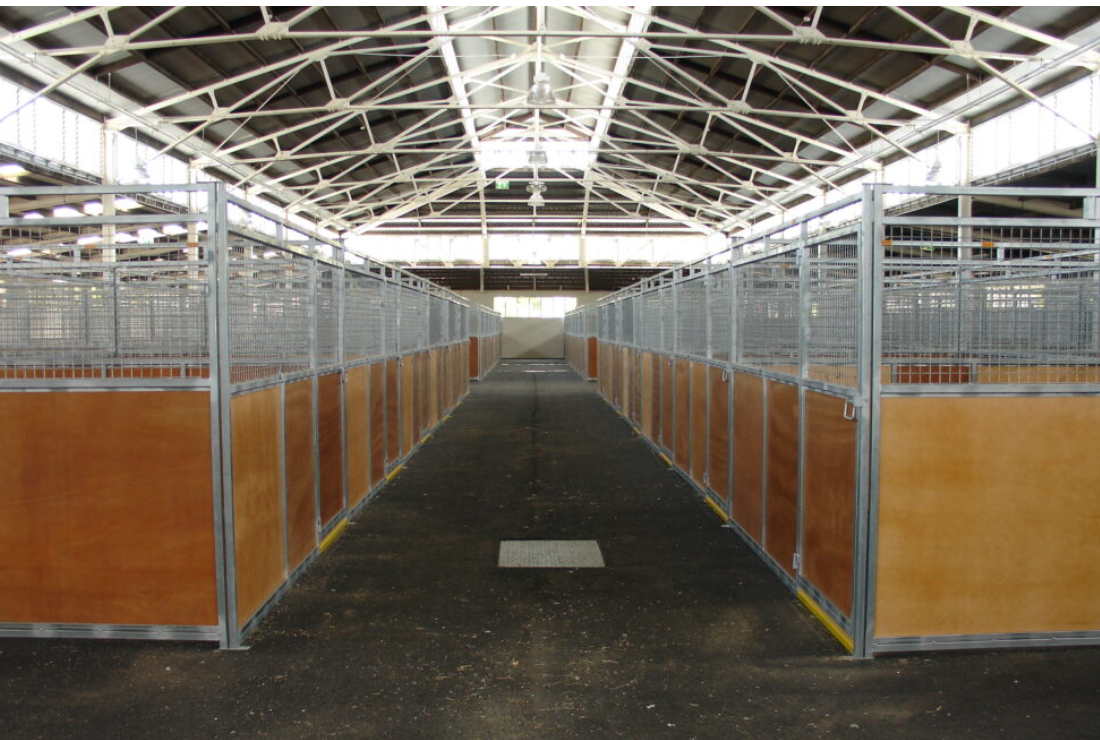
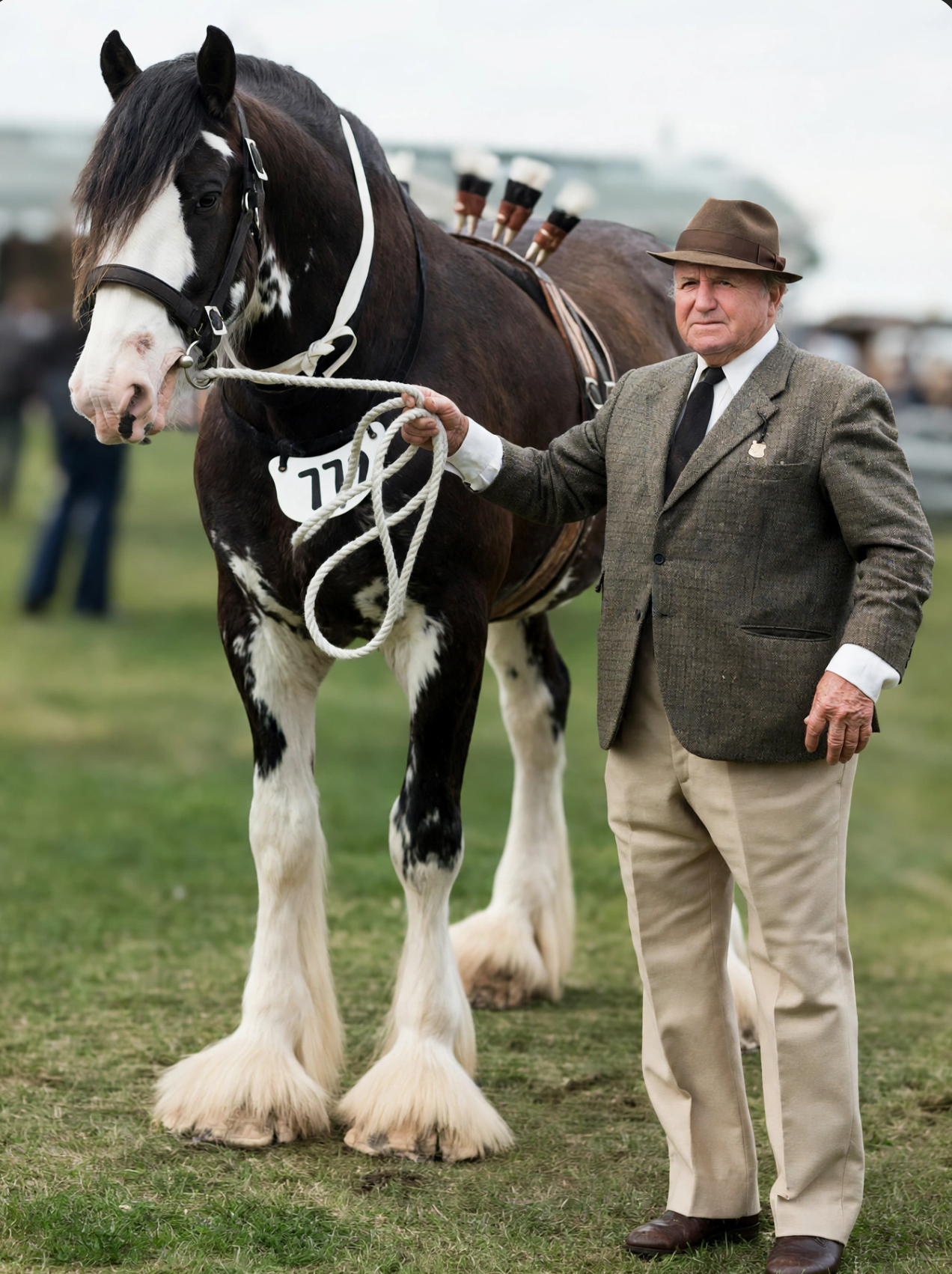
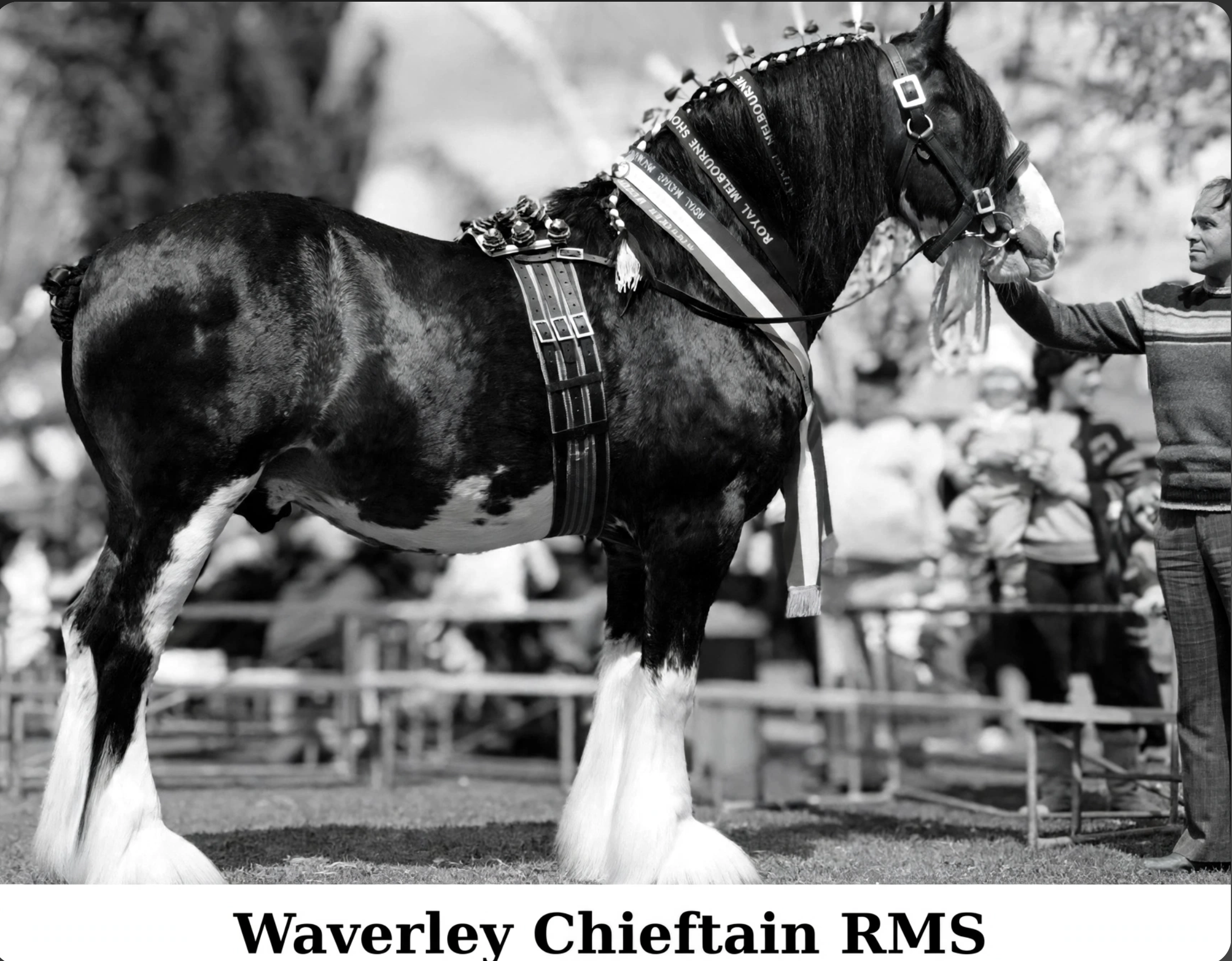
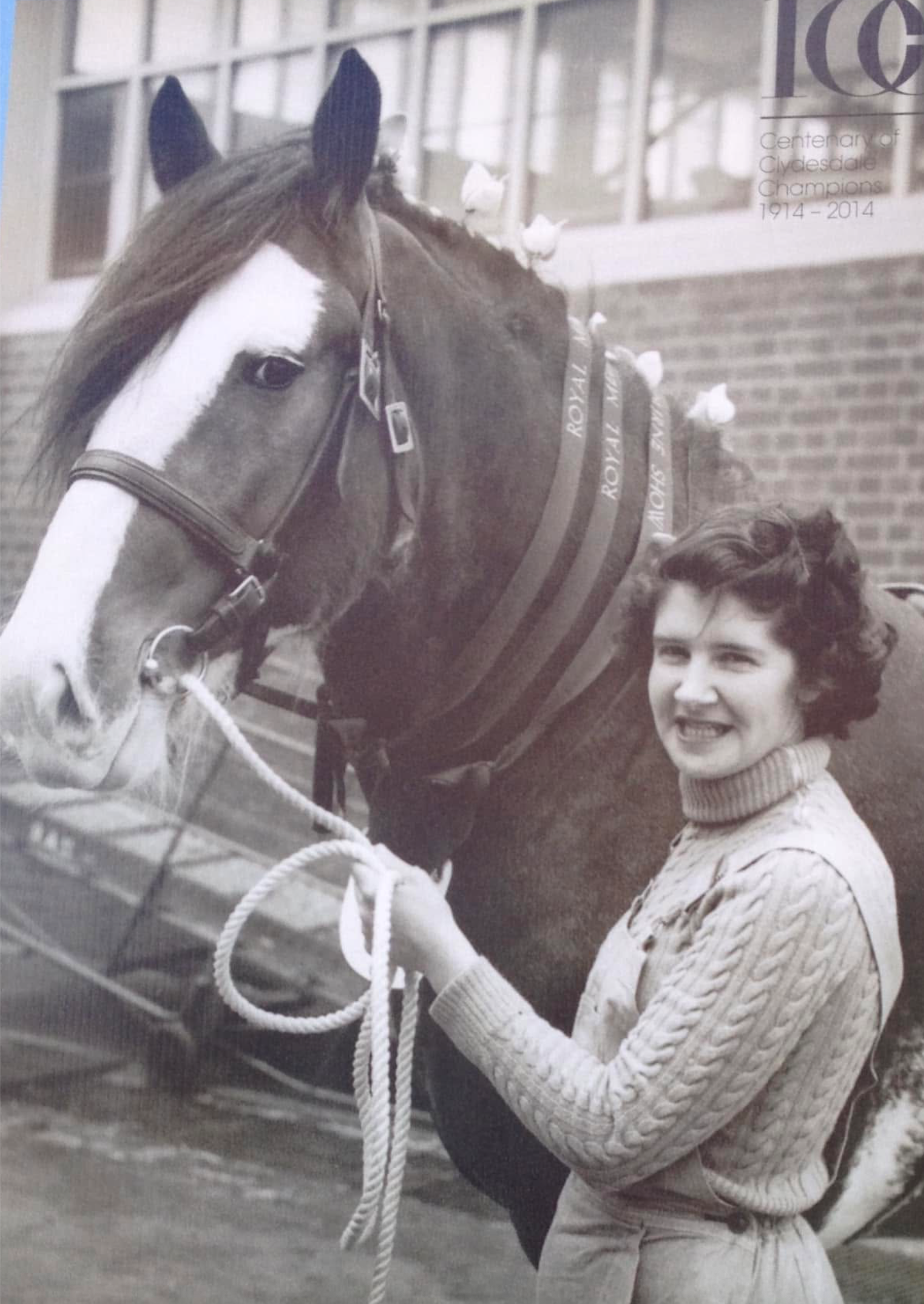
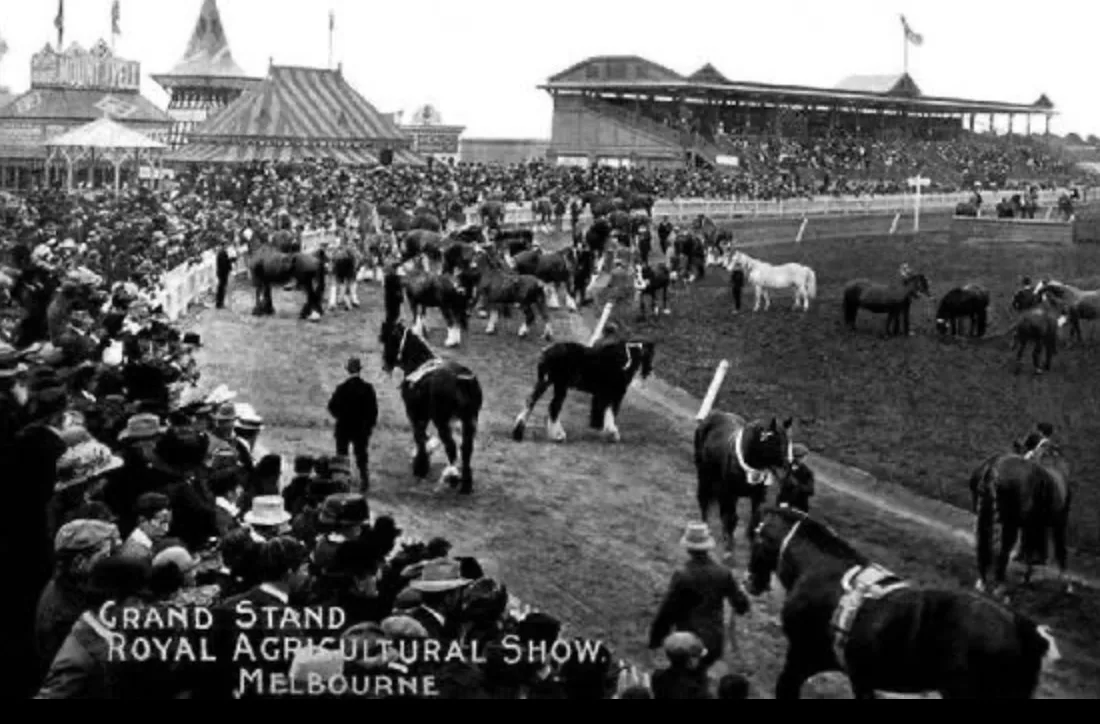
The Horse Pavilion, also referred to as the Clydesdale Pavilion or Horse Pavilion B7, is a significant landmark within the Melbourne Showgrounds, deeply intertwined with the history of the Royal Melbourne Show (RMS). The establishment of permanent structures on this site dates back to 1883, when the Royal Agricultural Society of Victoria (RASV) chose Ascot Vale as its enduring home. The pavilion showcases a distinctive Victorian-period architectural style, characterised by its sturdy brick construction, intricate metalwork, and grand sliding timber doors. This design not only reflects the aesthetic values of its time but also serves as a testament to the pavilion's enduring legacy in Victoria's agricultural narrative. In recognition of its architectural and historical importance, the Horse Pavilion, along with its accompanying historic horse boxes, lockers, and horse bar, was officially inscribed on the Victorian Heritage Register in August 1997. For more than a century, the Horse Pavilion has been a central hub for the Horses in Action competitions, playing a pivotal role in the Royal Melbourne Show. Originally constructed to accommodate heavy draft horses, particularly the Clydesdales, the pavilion also welcomed light horses, hackneys, and ponies. This venue has been instrumental in showcasing the prowess and beauty of these magnificent animals, providing a space where exhibitors meticulously prepared their horses for competition. The pavilion's significance is further underscored by its association with prestigious events, such as the Garryowen Perpetual Trophy, first awarded in 1934, and the Grand Parade, a highlight of the show where thousands of prize-winning livestock parade around the Main Arena, captivating audiences with their splendour. The traditions and routines established within the Horse Pavilion have contributed to its reputation as a cherished institution in the realm of agricultural exhibitions. Exhibitors would often spend considerable time grooming and training their horses in the stables, ensuring that each animal was in peak condition for the demanding competitions. The atmosphere during the Royal Melbourne Show is electric, with the pavilion serving as a backdrop to the excitement and anticipation that surrounds these events. The pavilion not only facilitates the showcasing of equine talent but also fosters a sense of community among participants and spectators alike, reinforcing the cultural significance of the Royal Melbourne Show in celebrating Victoria's agricultural heritage.
In 2006, a significant redevelopment initiative was undertaken at the Melbourne Showgrounds, involving a substantial investment of $101 million from both the Victorian Government and the Royal Agricultural Society of Victoria (RASV). This ambitious project led to the demolition of several older structures, paving the way for the construction of a state-of-the-art 10,000-square-metre Exhibition Pavilion and a new outdoor arena. Despite these modern advancements, the redevelopment was executed with a strong commitment to preserving the historical integrity of the horse pavilion precinct, ensuring that its core heritage elements were not only protected but also thoughtfully adapted for contemporary use. Today, the Horse Pavilion at the Melbourne Showgrounds stands as a premier and versatile venue for a wide array of events. It has been meticulously updated to enhance its functionality while maintaining its classic aesthetic, featuring improved ventilation and flooring that cater to various activities. This venue is not limited to equestrian and livestock events; it also hosts trade shows, exhibitions, and community markets, making it a vital part of the local event landscape. During the annual Melbourne Royal Show, the pavilion plays a crucial role as part of "Livestock Lane," offering visitors an exclusive glimpse into the workings of horse stables, thereby enriching their experience and connection to the agricultural heritage of the region.